Leadership
Phone: (503) 934-4400 | Fax: (503) 373-7067
Claudia Groberg, Chief Counsel
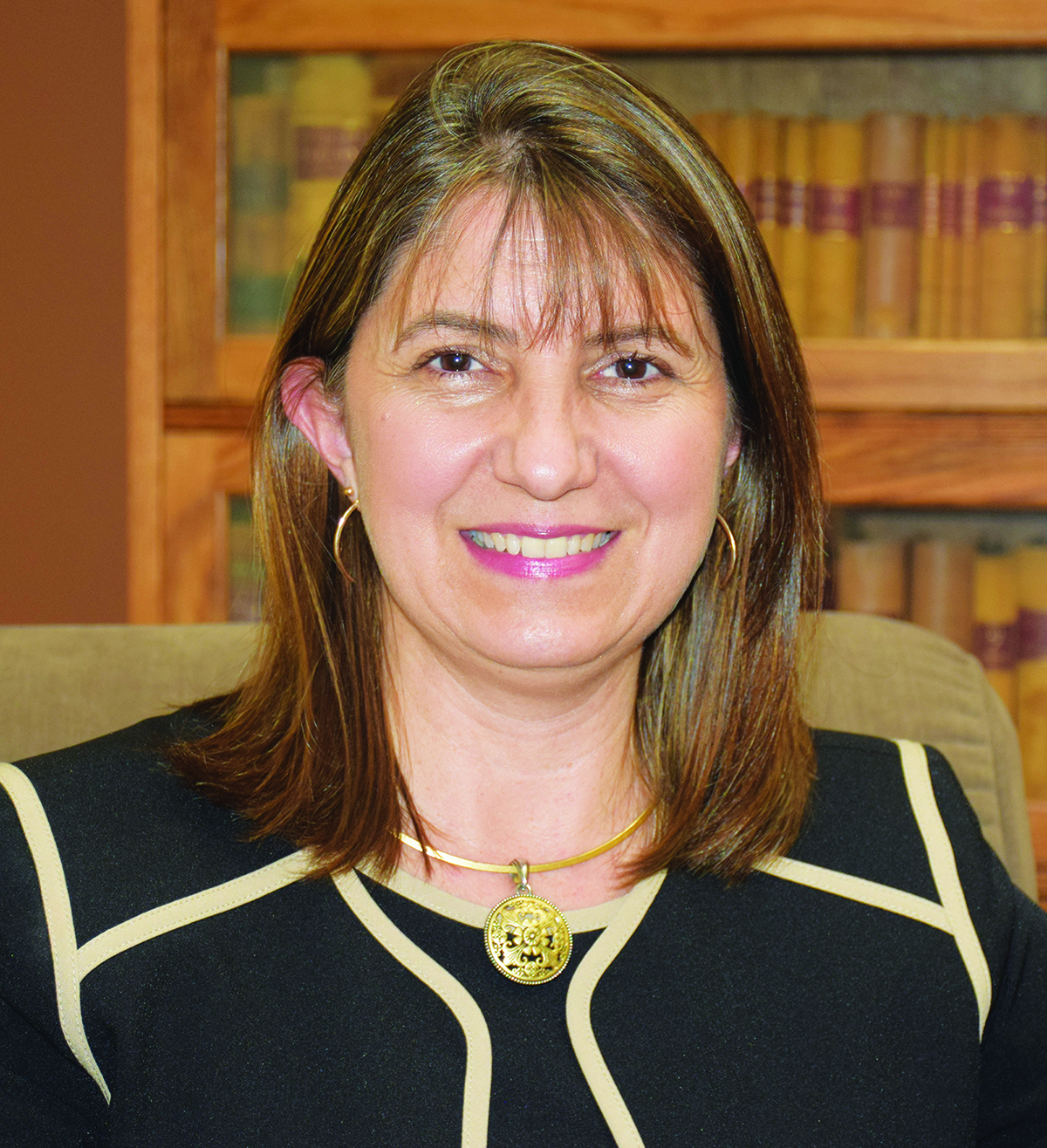
Claudia is the chief counsel of the Civil Enforcement Division. She is responsible for the daily operations of the Division, which handles a wide range of issues including consumer protection/financial fraud; charities; civil recovery; and medicaid fraud.
Claudia joined DOJ in 2006 as an Assistant Attorney General in the Family Law Section. She served as an Assistant Attorney in Charge in the Civil Recovery Section, and then served as Attorney in Charge since 2013. Prior to coming to DOJ, Claudia clerked at the Lane County Circuit Court for the Honorable Lauren Holland and worked as a staff attorney at the Workers’ Compensation Board. Claudia earned her undergraduate degree from Idaho State University and her law degree from the University of Oregon School of Law.
The Civil Enforcement Division is organized as follows:
Charitable Activities Section
The Charitable Activities Section oversees the activities of charitable organizations. The Section’s mission includes protecting the public interest in charitable assets. The Section also enforces laws related to nonprofit gaming, including issuing licenses for bingo, raffles, and other fundraising events that involve gambling. The Section can take civil legal actions against organizations that misuse charitable assets or engage in misleading solicitations.
The Section’s responsibilities include maintaining a registry of charities that are active in Oregon. Registered charities are required to file annual financial reports with the Section. These reports are made publicly available through the Department’s website at the following link: https://www.doj.state.or.us/charitable-activities/. If you are working on a matter that involves a nonprofit organization, you may wish to contact the Section to find out what additional information it may have concerning the organization.
The Section is legally required to receive notice of certain actions or proceedings that could affect the disposition of charitable assets. The Section sometimes intervenes in will contests or other probate matters involving charitable gifts. The Section has broad investigative authority and learns of potential matters through a variety of sources, including whistleblower complaints and media reports.
The Section’s work also includes an active program of education and outreach to help those who manage charitable organizations understand their legal responsibilities and to help donors make informed giving decisions.
For more information about charitable organizations and fundraising in Oregon, see the Charitable Activities Section .
Civil Recovery Section
The Civil Recovery Section assists state agencies with litigation. Any state agency may refer cases to this Section. There are Civil Recovery attorneys and staff in Pendleton, Portland, Salem, Eugene and Medford. They handle child support enforcement hearings in all Oregon counties.
Recovery/Civil Litigation: The Civil Recovery Section (CRS) serves as plaintiff’s counsel for state agencies and programs. The Section’s work spans a wide variety of topics, including but not limited to:
- Collections of all types (either directly collecting or advising agencies about how to collect their own debts)
- Judicial foreclosures of mortgages and trust deeds
- Bankruptcy
- Breach of contract, damage to state property, recovery of money owed to the State
- Receivership
- Conservatorship and guardianship
- Estate matters (including claim litigation)
- Civil commitments
- Injunctive relief and enforcement of state orders (including enforcing administrative subpoenas)
- Real Property: quiet title, ejectment, trespass, and landlord-tenant matters
The Civil Recovery Section also includes the Tobacco Enforcement Unit, which enforces Oregon’s tobacco related laws, including the Tobacco Non-Participating Manufacturer (NPM) statutes, delivery sales ban, and directory statutes. Annual Master Settlement Agreement (MSA) payments help fund the Oregon Health Plan and other state programs. The Unit monitors compliance with the MSA and recovers MSA payments improperly withheld by tobacco companies.
Economic Justice Section
The Economic Justice Section includes the Department of Justice’s antitrust, false claims, privacy, and consumer protection teams. The Section provides education and outreach services to Oregonians, provides dispute resolution services to consumers, and brings enforcement actions on behalf of the attorney general.
The Economic Justice Section investigates and civilly prosecutes violations of the Unlawful Trade Practices Act, the Oregon Antitrust Law, the Oregon False Claims Act, and the Oregon Consumer Privacy Act. In addition to deterring, stopping, and punishing unlawful conduct, the section educates consumers and businesses about their rights and obligations under these laws, operates a Consumer Protection Hotline, and helps consumers and businesses informally resolve disputes. The work of this section directly aligns with the Attorney General’s priority of protecting seniors, consumers, and working families.
Consumers can file an online complaint 24/7 through the DOJ website. Those who file complaints will work with consumer complaint specialists to informally resolve individual disputes with businesses, resulting in refunds, credits, repairs and other relief. The Section also operates a Consumer Hotline, staffed by dedicated volunteers who respond to over 30,000 calls each year.
The Section also educates consumers through events, consumer-friendly materials », in-person presentations, the Scam Alert Network » and Facebook account ». To schedule a presentation or request materials, contact Consumer Protection at 877-877-9392.
Family Support Legal Section
The Family Support Legal Section assists the Division of Child Support (DCS) in creating, modifying, and enforcing child support orders and establishing paternity. In addition to appearing in circuit courts throughout the state on child support matters, attorneys and staff in CRS:
Represent DCS in tribal courts on wage withholding hearings and per capita garnishments.
Advise DCS on child support-related legislation and legislative implementation, administrative rules, forms, procedures, and policy issues.
Provide training and outreach on child support-related issues to the bench and the bar, including District Attorney offices.
Medicaid Fraud Control Unit
Oregon’s Medicaid program (the Oregon Health Plan), is a jointly (state/federal) funded program, providing healthcare and related benefits for over 1.3 million of the most vulnerable Oregonians, including low-income, physically disabled and developmentally disabled individuals.
The Oregon Medicaid Fraud Control Unit (MFCU) is 75% federally funded and is one of 53 units throughout the United States with the shared mission of combatting fraud and abuse in the healthcare system. The MFCU employs a professional staff of attorneys, investigators, auditors and support staff to investigate and prosecute billing fraud committed by Medicaid providers. Billing fraud schemes include billing for services not provided; billing for more expensive services than actually performed; and billing for medically unnecessary services. In addition, the MFCU investigates and prosecutes physical abuse, neglect and financial exploitation of Medicaid patients in connection with the delivery of healthcare services.
The MFCU receives referrals from many sources, including local, state and federal law enforcement agencies; social service agencies; coordinated care organizations; insurance companies; and the general public. The MFCU collaborates closely with other state, local and federal law enforcement agencies including the U.S. Attorney’s Office and the U.S. Office of Inspector General (OIG).
REPORTING MEDICAID FRAUD & ABUSE
If you suspect that a Medicaid provider is committing fraud, report by:
- Calling: 1-888-FRAUD01 (1-888-372-8301) Monday – Friday 8am to 5pm, or
- Emailing: Medicaid.fraud.referral@doj.oregon.gov
If you suspect Abuse, Neglect or Financial Exploitation of a Medicaid recipient in connection with delivery of health care services, report by:
- Calling: your local law enforcement agency, or
- Calling: 1-855-503-SAFE (7233). [Toll-Free number to report abuse or neglect of any child or adult to the Oregon Department of Human Services (DHS), or
- Emailing: Medicaid.fraud.referral@doj.oregon.gov
More from the DOJ about Medicaid Fraud »
Report Medicaid Fraud Directly to the DHS »